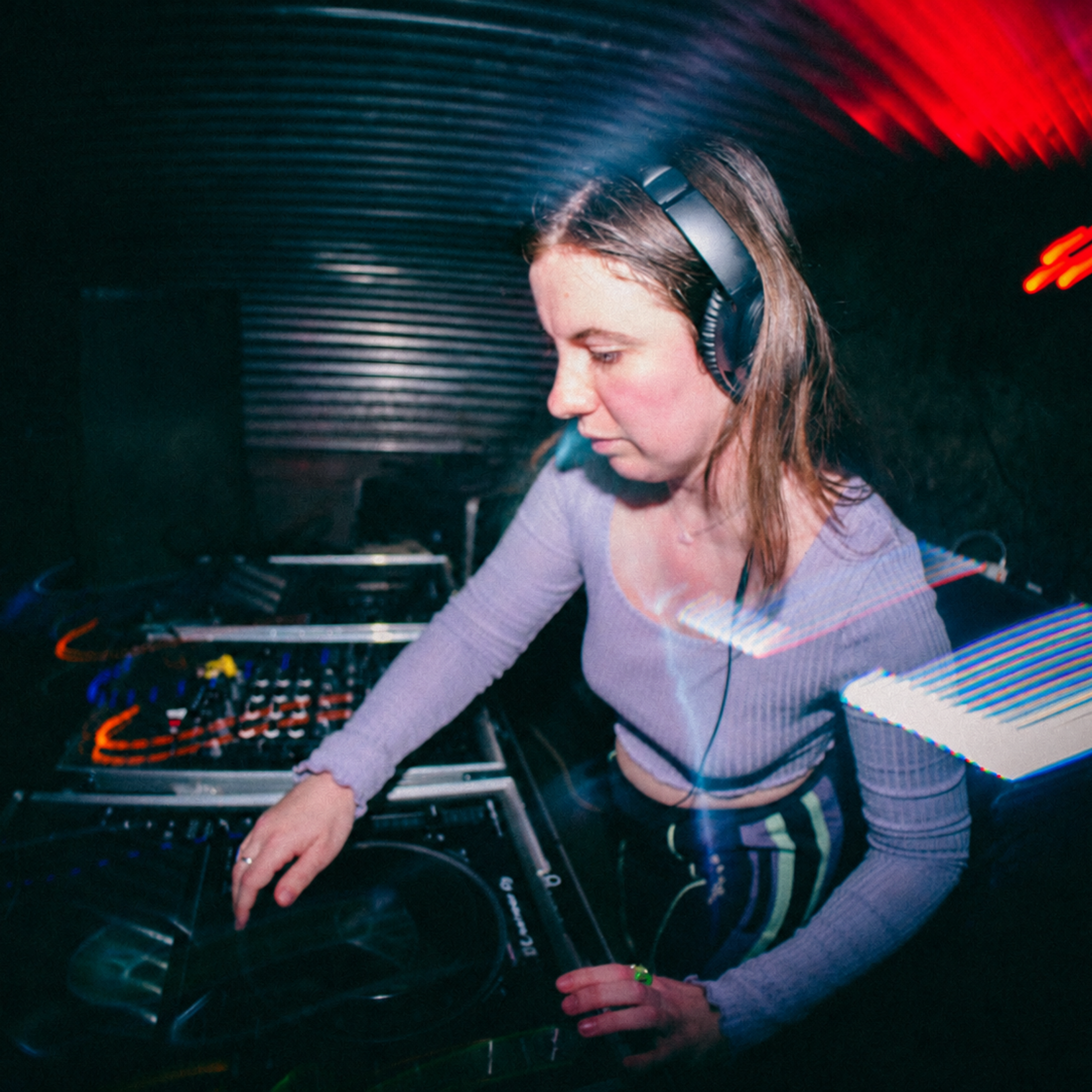
Before I knew anything about Zaba’s sets, I knew about her voice.
I first came across her through a post on Instagram. Frustrated by the familiar claim that promoters “couldn’t find” enough female DJs, she spent a single evening compiling a list of more than 300 women behind the decks. It was simple, direct and impossible to ignore. The post travelled far beyond her own audience, not because it shouted the loudest, but because it quietly dismantled one of the scene’s favourite excuses.
Naturally, I wanted to know more about the person behind it.
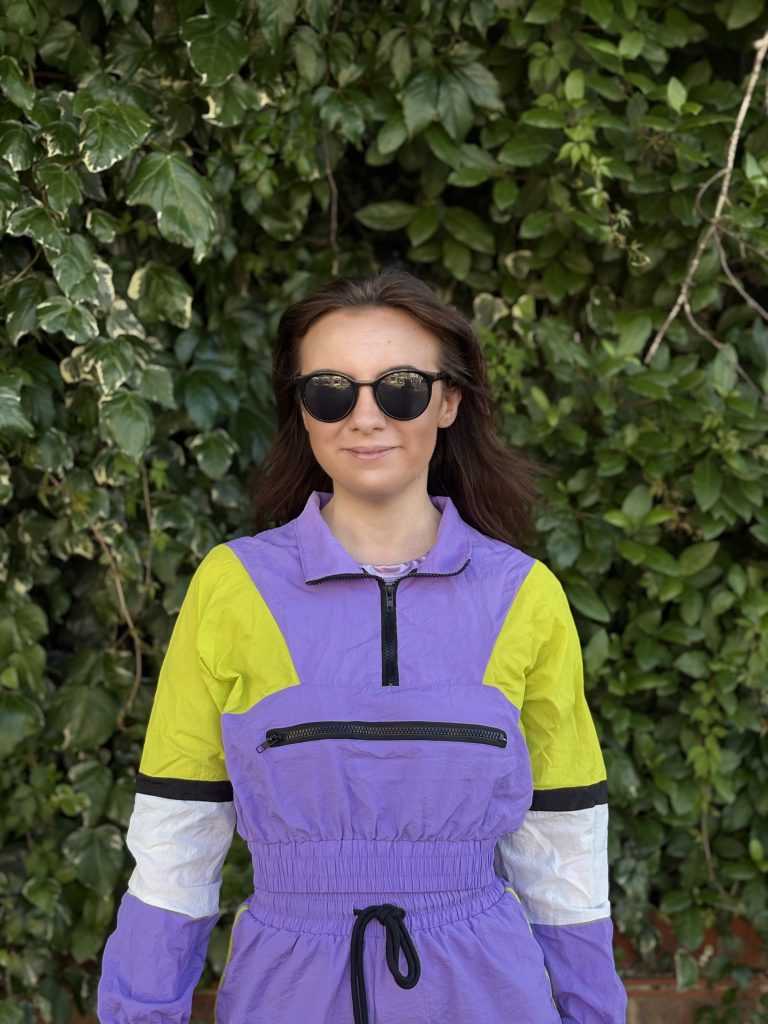
The more I looked into Alice – better known as Zaba – the more I realised that post wasn’t an isolated moment. Whether she’s DJing, running events, advocating for grassroots venues through Croakheads or championing other artists, everything she does is rooted in the same belief: music is at its best when more people are invited in. After chatting over email, it became clear that advocacy isn’t something she’s added to her career – it’s simply woven into who she is.
Music found Zaba long before DJing did. Growing up in a military family meant constantly moving from place to place, but one thing remained reassuringly consistent – there was always music. Long car journeys were spent glued to an MP3 player, Saturday mornings meant trips to HMV, and choosing CDs purely because the artwork caught her eye became a ritual that introduced her to genres she may never have discovered otherwise.
At home, music surrounded her. Her dad played guitar in a band and filled the car with classic rock, punk and metal, while trips to concerts and festivals became part of family life. Her mum, nan and cousin all nurtured that same creative spirit in different ways, making music feel less like a hobby and more like something woven into everyday life.
“It was kind of inevitable that music would become an enormous part of my life,” she says.
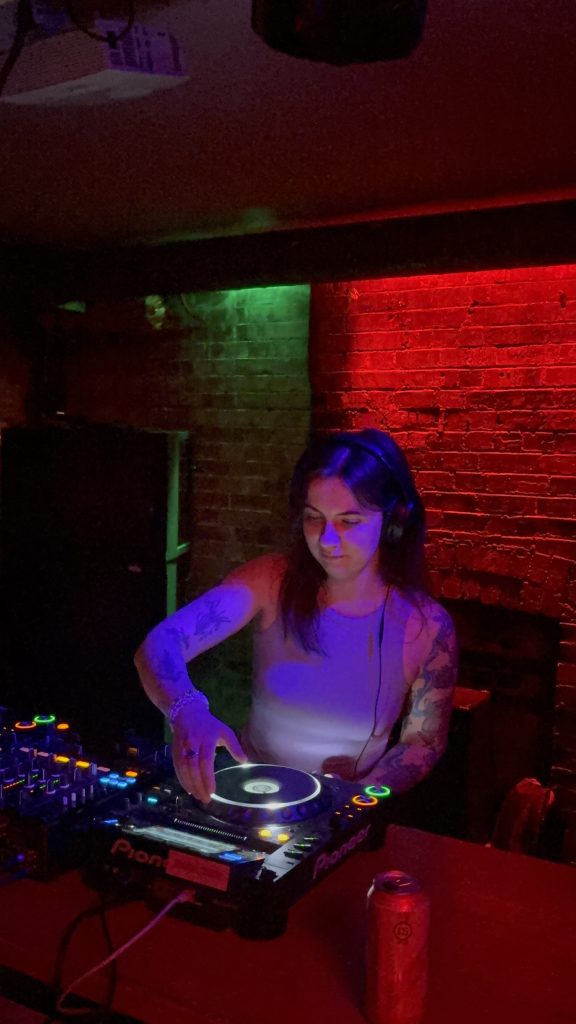
By the age of eight she was playing clarinet in orchestras, jazz bands and marching bands, taking singing lessons and learning guitar. Looking back, those early experiences unknowingly laid the foundations for DJing. Rhythm, timing and musical instinct were already second nature by the time she stepped behind a pair of decks.
“I have an instinctive pull towards music that I really can’t explain,” she tells me. “I found myself organising playlists by vibes, atmosphere and label sound. DJing was just the natural next step.”
That curiosity still defines the way she approaches music today. While many artists become known for one specific lane, Zaba has never understood the pressure to stay inside one box.
“I like too many genres,” she laughs. “Isn’t it better to explore a wider range and push yourself to discover new music?”
If she had to describe her sets, she’d call them “warm, fun, nostalgic energy, with a creative and personal twist” – a reflection of someone who values emotional connection over sticking rigidly to expectations.
Like many people working in grassroots music, though, the biggest lessons haven’t come from learning how to DJ. They’ve come from learning how to navigate people.
Looking back, she describes herself as a naive promoter who naturally assumed everyone shared the same intentions she did. Over time she realised that wasn’t always the case.
“I’ve learned you don’t need to explain yourself to everyone,” she says. “Trust your instincts, pay attention to how people make you feel and step back from spaces where your support isn’t met with the same warmth in return.”
That honesty feels refreshing. So much of the music industry celebrates relentless giving, but Zaba speaks just as openly about the importance of protecting your own wellbeing.
“I’ve realised that championing others is great, but not at the cost of abandoning my own needs, values or wellbeing.”
That balance runs through everything she does.
The post introducing hundreds of female DJs wasn’t about creating division. It was about removing barriers. Having repeatedly heard promoters claim they simply couldn’t find women to book, she decided to prove otherwise.
“I wanted to show that this just isn’t true,” she explains. “Finding 300 female DJs in one evening made that pretty clear.”
It’s a conversation that naturally expands into representation, accessibility and creating spaces where more people genuinely feel welcome. For Zaba, inclusivity isn’t achieved through one diverse lineup – it’s built through listening, questioning and constantly asking who still isn’t in the room.
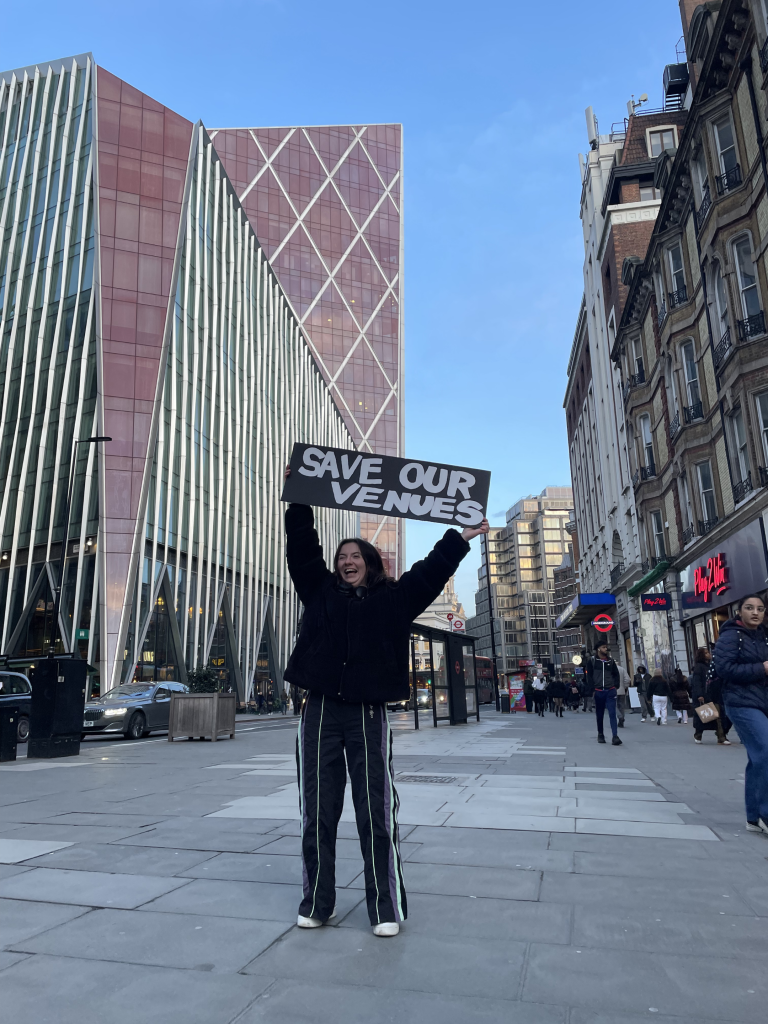
That same mindset is what fuels Croakheads, where she works as Head of Operations. The collective exists to champion independent venues, promoters, artists and local communities while raising awareness around the UK’s ongoing grassroots venue crisis.
“We’re losing more than buildings,” she says. “We’re losing entire ecosystems.”
It’s a perspective that resonates deeply with Fleckies. Grassroots venues aren’t simply somewhere to perform – they’re where artists find confidence, audiences discover something unexpected and lifelong friendships begin. Speaking to venue owners has only reinforced how fragile those foundations have become, but she’s equally inspired by the resilience of the people still fighting to keep them alive.
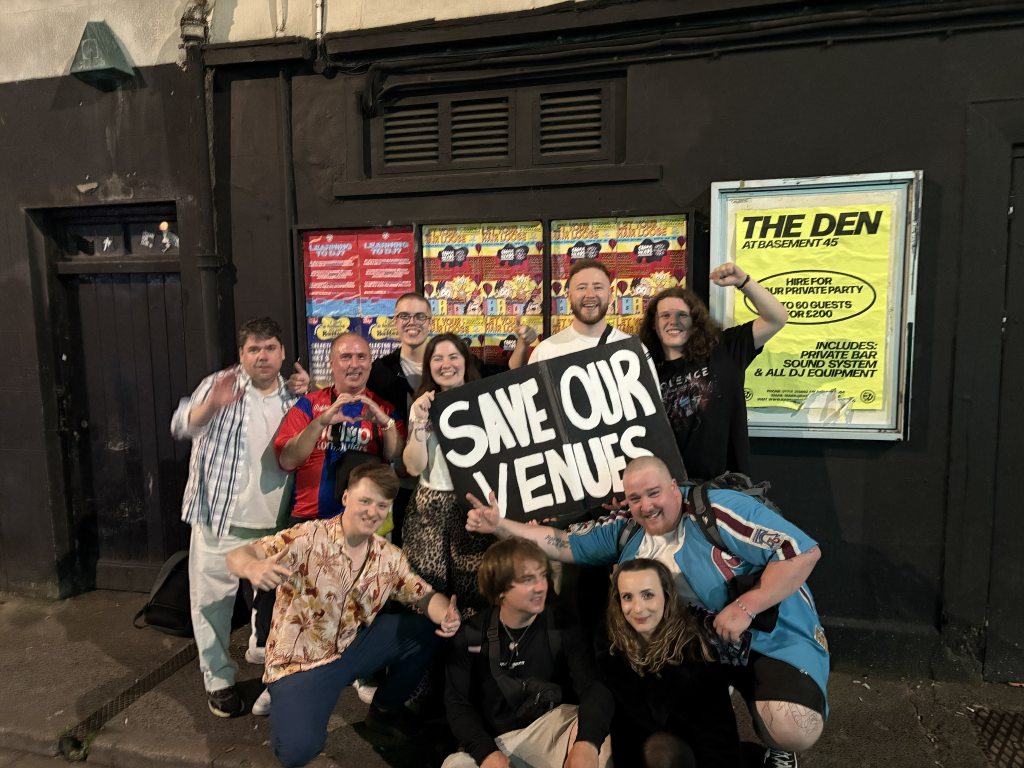
“I’ve seen so much resilience,” she says. “People are still showing up and still building something incredible together.”
Ask her what a healthy music community looks like and the answer feels beautifully simple.
“A place where people genuinely look out for each other. Where everyone feels seen and valued. Where people stand up for spaces and for each other.”
Looking ahead, Zaba shows no signs of slowing down. Croakheads is expanding its resident and ambassador teams, with more fundraising planned for Music Venue Trust alongside a new newsletter and the possibility of launching a podcast celebrating people making a difference across grassroots music. Alongside that, she’s continuing to DJ while quietly working on her own productions.
“I don’t want to sound like everyone else,” she says. “I don’t want to rush my art.”
That patience feels symbolic of everything she’s spoken about. Whether she’s creating music, supporting artists or challenging the industry, very little is driven by speed. It’s driven by purpose.
If there’s one thing I took away from this conversation, it’s that Zaba isn’t trying to become the loudest voice in dance music. She’s trying to make sure more voices get heard. In a culture that can sometimes reward ego over empathy, that’s quietly radical.
Her final piece of advice feels fitting.
“If you’re going to be outspoken, be prepared to face criticism. Don’t give up. Use your voice. Be brave.”
The industry needs more people willing to do exactly that.
Listen and follow Zaba: