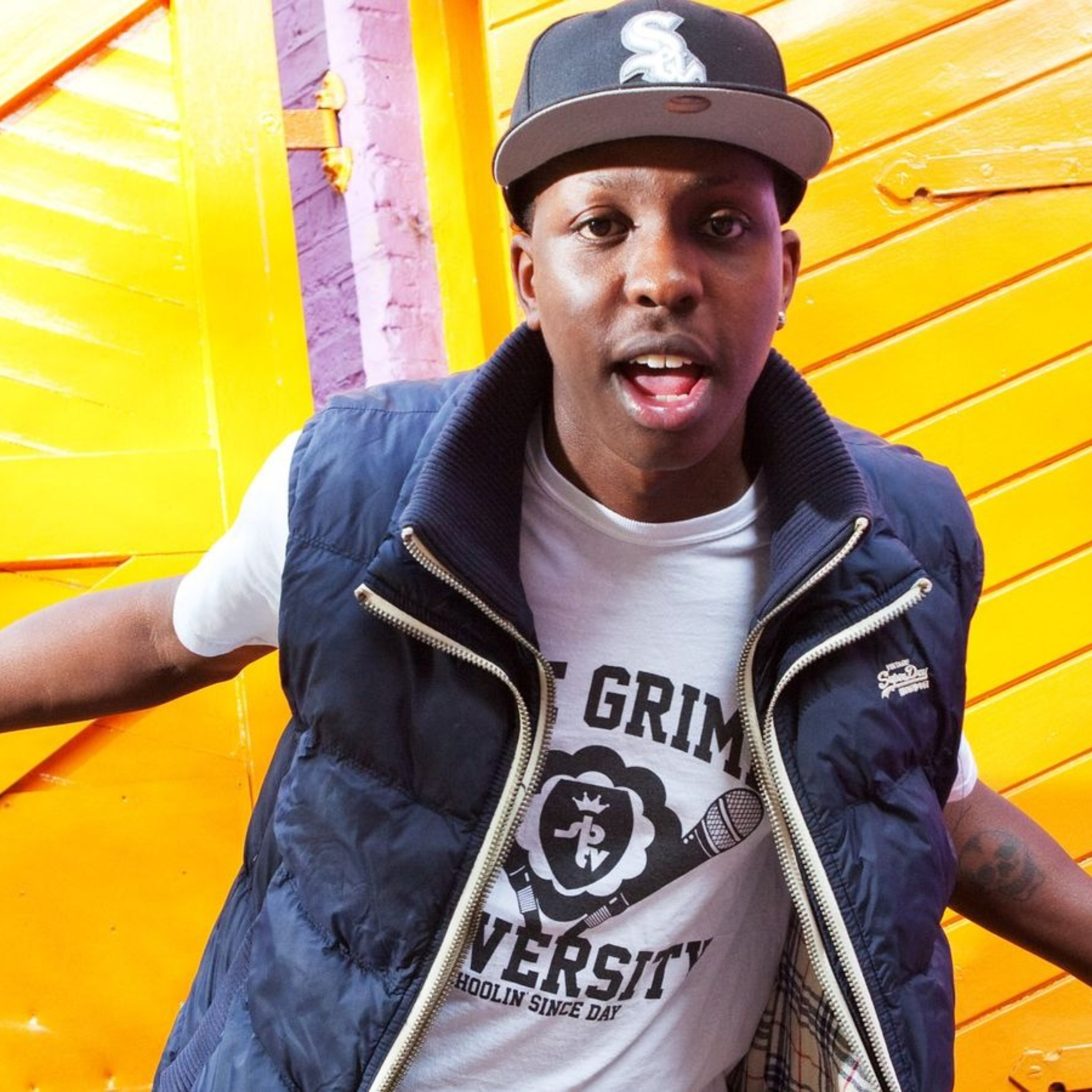
Earlier this week, I saw a post online that read, ‘Every UK creator owes Jamal Edwards one’, and my immediate reaction was, damn well ain’t that the truth.
This week marks 20 years of SBTV. Twenty years since a teenager from west London started filming his friends and uploading their performances to the internet, without any real idea of how much he was about to change British music culture.
There’s been plenty written about Jamal’s legacy, and rightly so. The artists he helped discover, the careers he helped launch, the opportunities he created for people who might otherwise have struggled to get noticed. But when I think about Jamal Edwards, there’s one particular memory that always comes back to me.
It’s 2011. I’m about 16 years old, watching television, and an advert for Google Chrome comes on.
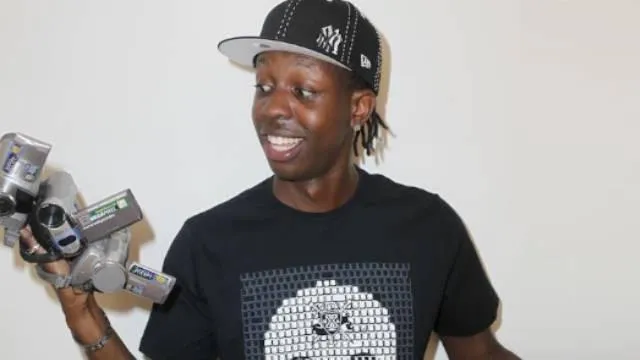
It’s telling the story of this young guy from London who started filming people with a camera and uploading the videos to YouTube. That was it. No television network, no record label, no big production company behind him. Just someone who saw something happening in his community and decided it deserved an audience.
And now Google was telling his story on national television.
I remember thinking, fuck, this is massive.
Not because I was particularly invested in grime at the time. I wasn’t. I knew what SBTV was, and I understood that it had become something important, but the music wasn’t necessarily what I was listening to.
What struck me was everything happening around it.
Here was a young Black British creator, who had built something from the ground up, being celebrated by one of the biggest companies in the world. Something that had started with a camera, a YouTube account and a genuine interest in the people around him had become impossible to ignore.
I don’t think I fully understood the implications at 16. I certainly couldn’t have predicted how the internet would go on to reshape music, media and the creative industries. But I remember having this overwhelming feeling that things were about to change. Like really change. That the people who had always decided what deserved attention weren’t necessarily going to hold that same power anymore.
And that was exciting.
Looking back, I think that advert did something quite profound for a generation of young creatives. It certainly did for me. It showed us that you didn’t necessarily need permission to begin.
Before platforms like SBTV, getting your music heard by a wider audience often meant convincing somebody with influence that you were worth taking a chance on. A record label, a radio station, a television producer, somebody who controlled access to an audience.
Jamal challenged that. He wasn’t waiting for somebody to give the artists around him an opportunity. He was creating one himself.
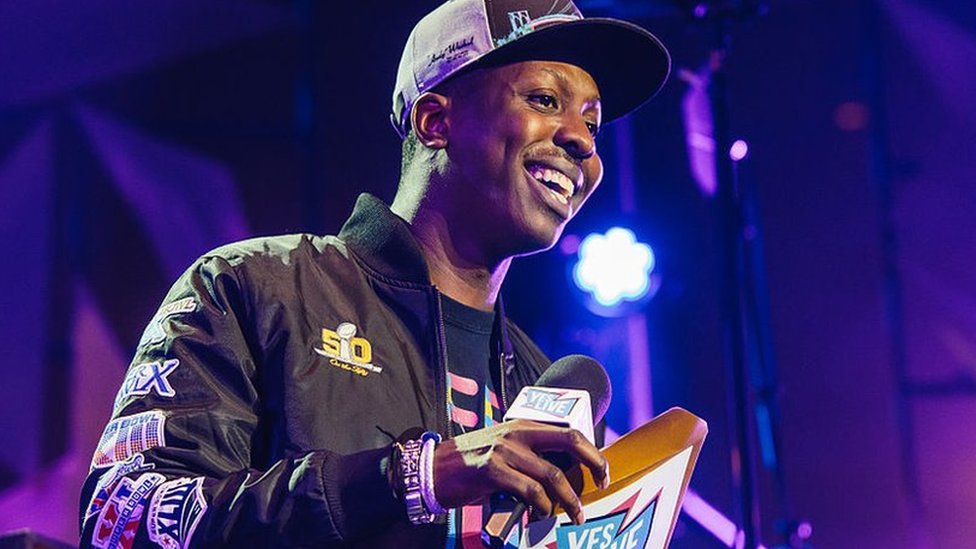
And while SBTV became synonymous with grime, its influence extended far beyond one genre. It introduced audiences to emerging artists, helped document a culture that mainstream media had often overlooked, and demonstrated the power of independent platforms to shape what people were listening to.
What I find particularly inspiring is that Jamal wasn’t simply building a career around his own talent. He was using his creativity to make space for other people’s.
There’s something incredibly generous about that.
Of course, the internet looks very different now. When SBTV began, YouTube was still in its infancy. Social media hadn’t yet become the enormous commercial ecosystem we know today. There was something genuinely revolutionary about being able to upload a video and potentially reach thousands of people without going through the traditional industry.
Twenty years later, almost anyone can publish something. But that doesn’t necessarily mean it’s easier to be seen.
We’re surrounded by content, constantly encouraged to follow trends, understand algorithms and measure success through numbers. Independent creators have more tools available to them than ever before, but there’s also an enormous amount of pressure to turn everything into something that performs.
Sometimes I wonder whether we’ve lost sight of what made those early platforms so exciting in the first place.
The freedom to create something simply because you believed it deserved to exist.
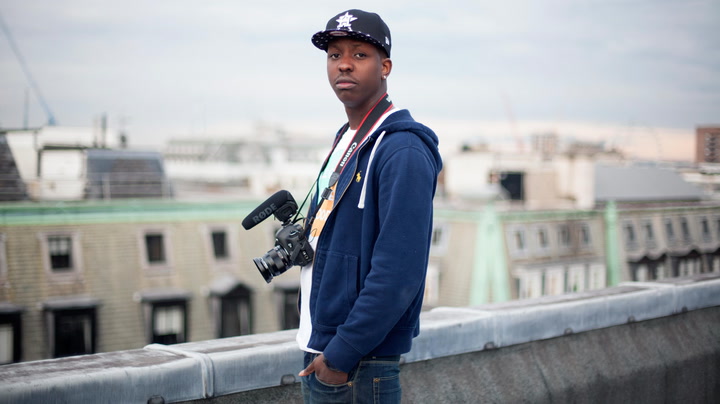
That’s something I think about a lot with Fleckies.
I’ve always wanted to create something of my own, long before I really understood what that might look like. Fleckies wasn’t born directly out of SBTV, and I wouldn’t pretend that our platforms operate on anything like the same scale. But I can absolutely trace some of my belief in what’s possible back to watching Jamal build his.
The idea that you can care deeply about a music scene, recognise the people doing brilliant things within it, and create somewhere for their stories to be told.
You don’t have to be the artist. You don’t have to be the person on stage. Sometimes your contribution is recognising somebody else’s talent and helping more people discover it.
And I think that’s something Jamal understood better than most.
He showed that being a creator wasn’t just about making things yourself. It could also mean building a platform, connecting people, documenting a moment in culture and giving others the confidence to keep going.
Jamal’s death in 2022 was an enormous loss, particularly for someone who had already achieved so much and still had so much more to give. But what’s remarkable about his legacy is how far it reaches beyond the artists whose careers he directly influenced.
It’s in the independent filmmakers, photographers, music journalists, promoters and platform founders who watched what he was doing and thought, maybe I could do something like that too.
Some of them might not even realise how much of their ambition can be traced back to the doors he helped open.
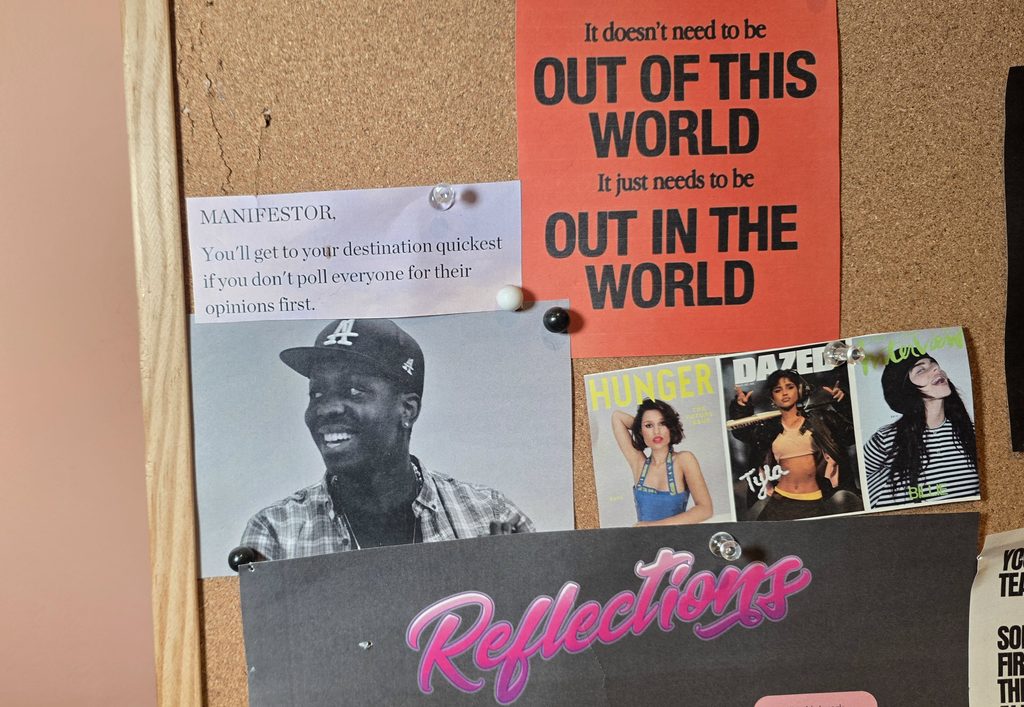
I certainly didn’t sit down to build Fleckies thinking I was following in Jamal Edwards’ footsteps. But when I look at the inspiration board I still keep on my desk to this day, he’s still there as a reminder of why I wanted to build something in the first place.
Because independent voices matter. Because music culture is shaped by the people documenting it as much as the people making it. And because you never really know what might happen when you decide to give something a go.
Twenty years on, that’s the part of Jamal Edwards’ legacy I keep coming back to.
He didn’t just show the world what he could do.
He made the rest of us believe we could do something too.