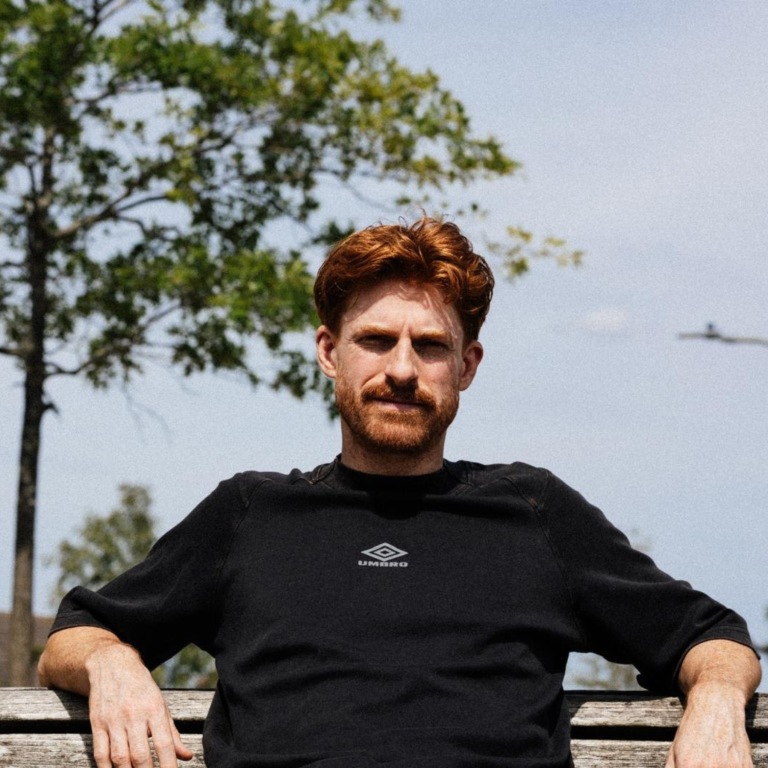
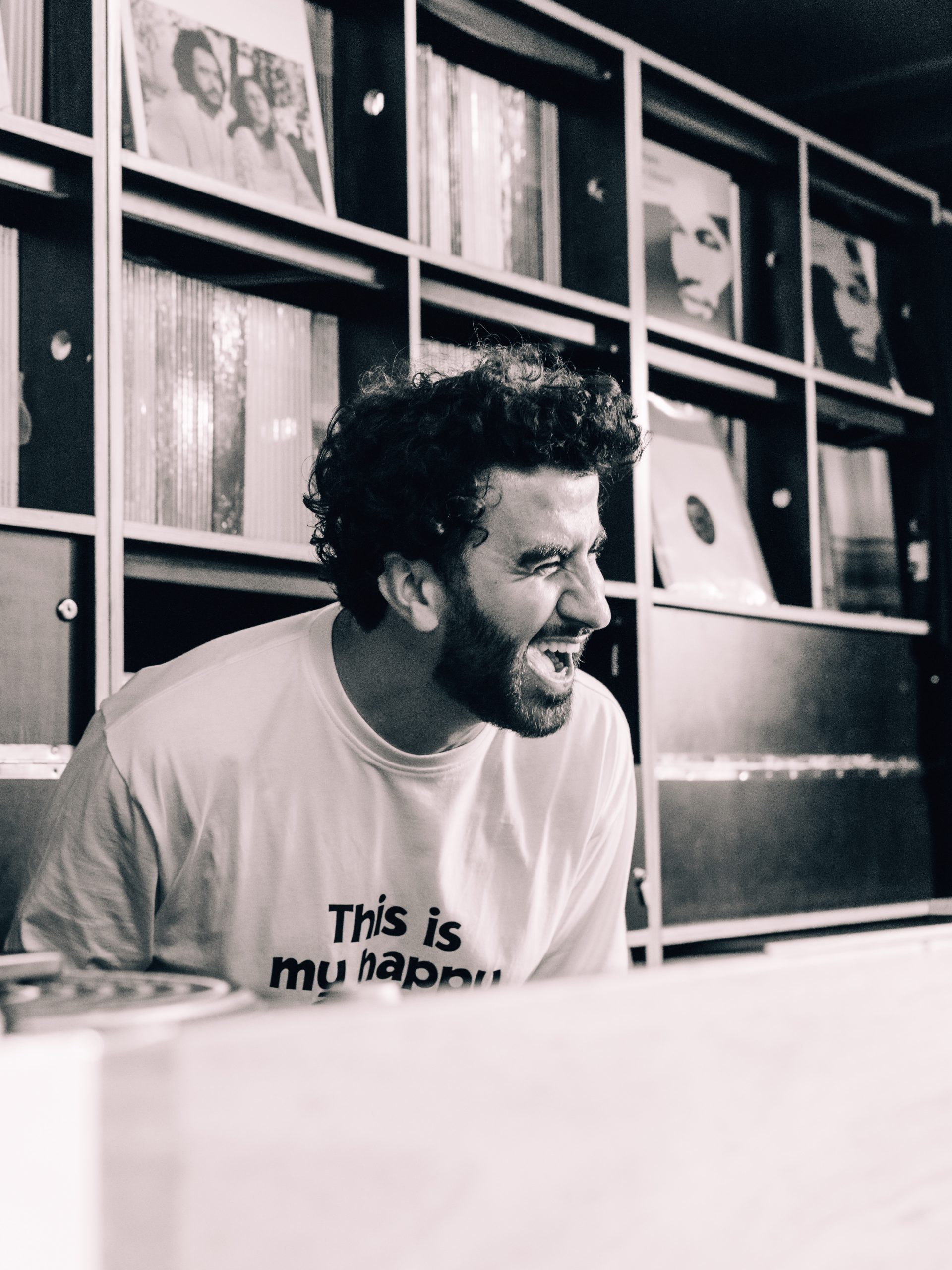
Some people move through music. Others take the time to sit with it, to really understand what it’s saying and why it matters. Karim Bitar feels firmly in the latter. From the moment I met him – briefly, across a dinner table before a Buttah event – there was an immediate sense of calm curiosity about him. The kind of person who listens as much as he speaks. Getting to know more about his world, it became clear that the way he approaches music is far deeper than just playing records. It’s about meaning, context, and creating spaces where people can connect with both.
Karim’s relationship with music began long before he had any say in it. Growing up in Shepherd’s Bush, he was surrounded by traditional Middle Eastern sounds, shaped largely by his dad’s passion for music. Instruments like the oud, derbake and keyboard weren’t just objects in the house – they were part of daily life. “I started learning piano from the age of five,” he says, and from that point on, music never really left him. It wasn’t something he discovered later, it was always there, quietly embedding itself into who he was.
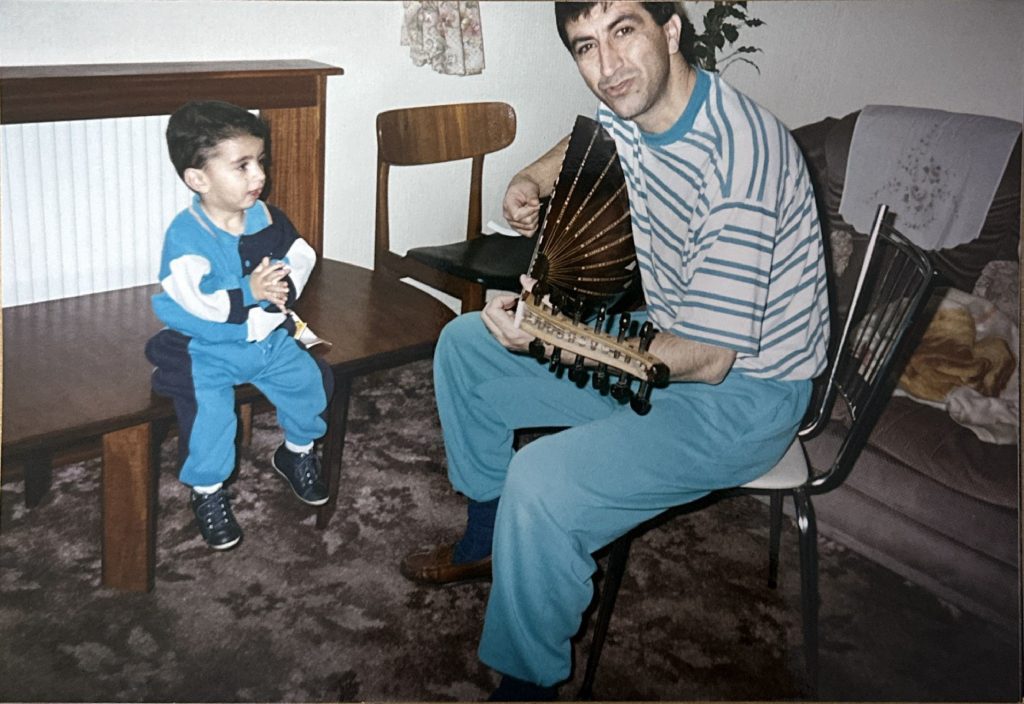
Some of his earliest personal connections to music came through small, almost nostalgic moments. An orange Sony CD player carried everywhere in the late 90s, a Notting Hill Carnival compilation on repeat, and one track in particular that stuck. “Don’t Turn Around by Aswad,” he recalls. It’s a simple memory, but one that says a lot about how music finds its way into us – not always through big moments, but through repetition, familiarity and feeling.
Interestingly, DJing didn’t come until much later. His first mix was put together in 2020, a 30-minute UK garage set for a breakfast radio show. It was pre-recorded, painstakingly re-done over and over on a small controller until it felt right. “I listened back years later and laughed,” he says. “I’ve come a long way.” There’s something reassuring in that honesty. The idea that even those who now feel established started in exactly the same place as everyone else – figuring it out, one step at a time.
For Karim, the fundamentals were always clear. Track selection and keeping everything in time. Everything else, he says, comes with experience. But what stands out more is how quickly his interest expanded beyond just DJing. Playing music was never going to be enough on its own.
“What is life really?” he asks at one point. “It’s a collection of experiences that make you feel something.” That idea sits at the core of everything he does. Music, for him, isn’t just about sound. It’s about how that sound exists in a space, how it’s delivered, and what people take away from it. That shift in thinking led him naturally into curation, into creating environments rather than just contributing to them.
His residency at Soho Radio has played a big part in shaping that perspective. It’s a space known for its authenticity, and one he speaks about with genuine appreciation. “Everyone there is a music purist,” he says. “And more importantly, kind people.” Being part of that environment has sharpened his instinct for what matters in the moment, allowing him to champion underground and alternative sounds with intention. It’s not just about playing music, it’s about elevating it.
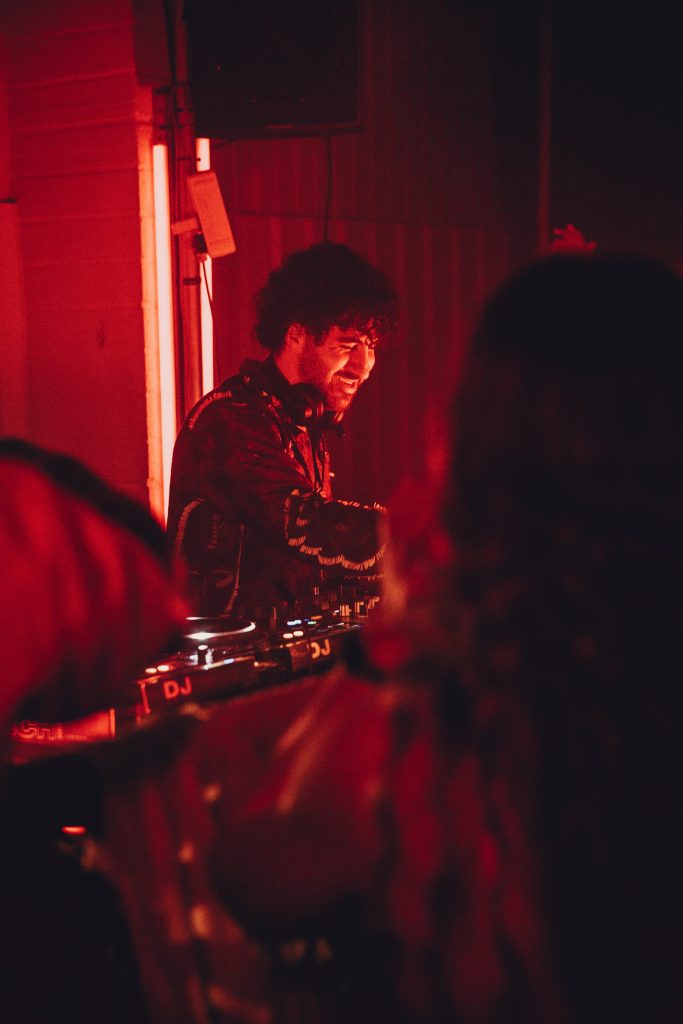
That same mindset carries through into Meet in the MIDI, the project many now associate him with. Described as a music curatorial studio and community platform, it’s built around the idea of helping people explore themselves through music. But in practice, it feels far more personal than that.
One of its most distinctive formats is the sonic lecture – intimate listening sessions where an artist’s story is told through ten carefully selected tracks. These aren’t passive experiences. They’re moments where people are invited to sit, listen, and engage with music in a way that often gets lost in more traditional club settings. “We play the tracks and weave conversation around their life and catalogue,” he explains. “Then follow it with an all-vinyl set.”
It’s a simple concept, but incredibly effective. In a world that often prioritises speed and consumption, Meet in the MIDI asks people to slow down. To listen properly. To understand where the music comes from and what it represents.
Vinyl plays a big role in that experience, and for Karim, it’s about more than just sound quality. “It delivers a richness you can’t find anywhere else,” he says, but beyond that, it represents something deeper. A sense of permanence. A physical connection to music in an increasingly digital world. “The record isn’t just a format, it’s an experience.” It’s tactile, deliberate, and requires a level of attention that streaming simply doesn’t.
While the listening sessions form the core of the project, Karim has also expanded into more traditional club nights and events, each still grounded in the same principles. Whether it’s a curated DJ lineup or a concept like MIDI Eastern – blending Middle Eastern percussion with UK bass culture – the aim remains consistent. Create something meaningful. Something that allows people to explore, rather than just consume.

That balance between creativity and substance hasn’t come without its challenges. Building something that feels authentic, while also keeping it accessible, requires constant reflection. But Karim seems to approach it with a quiet confidence. There’s no rush to scale for the sake of it. No desire to follow trends. Just a steady focus on building something that feels real.
One of the more recent expressions of that has been Second Pressing, an exhibition that brought together vinyl history and contemporary art. The idea came from a moment of inspiration – standing in a gallery, listening to a saxophone performance, and suddenly connecting it to a completely different era of music. From that, a concept emerged. Artists reinterpreting album artwork from different decades, with visitors able to listen to the original records while experiencing the new pieces.
It’s a perfect example of how Karim’s mind works. Always linking ideas, always finding ways to deepen the experience. “People rediscovered the albums as both sonic artefacts and cultural time capsules,” he says. Again, it comes back to storytelling. To giving music the space it deserves.
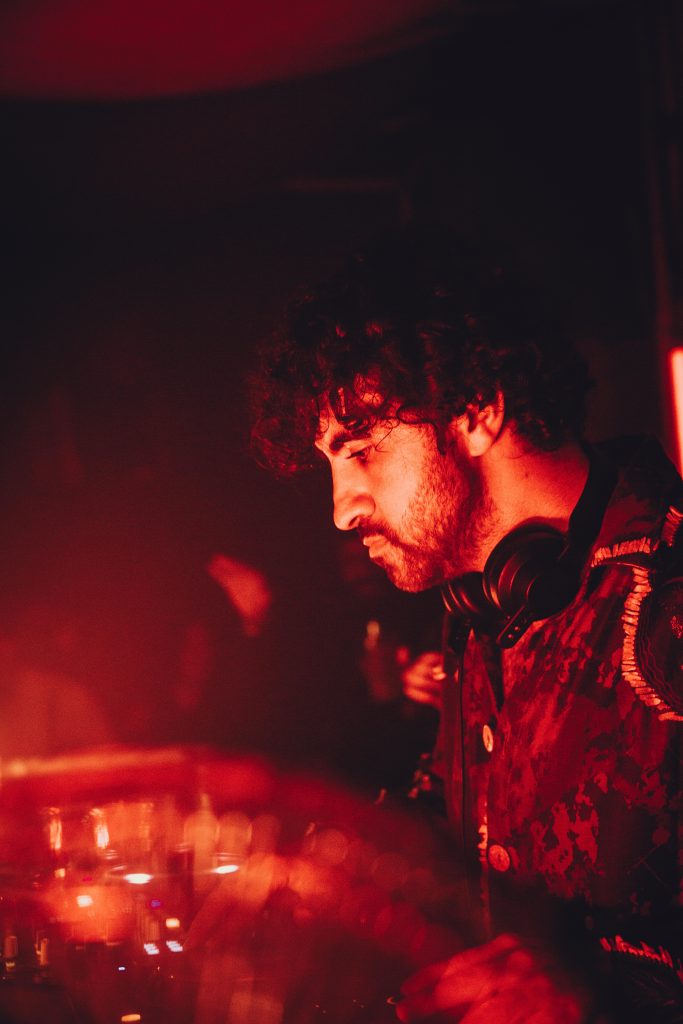
Looking ahead, there’s a sense that Meet in the MIDI is only just getting started. With its first birthday approaching, plans are already in motion for festival appearances, live album launches and more opportunities for the community to come together. There’s talk of another exhibition too, and an openness to exploring new formats as they come. “Anything feels possible,” he says, and you believe him.
What stands out most, though, is the intention behind it all. There’s no sense of ego driving these projects. Instead, it’s rooted in a genuine care for the culture and the people within it. That comes through clearly in the advice he offers to others. Start small. Stay honest. Don’t wait for permission. “If it feels real, people will find it.”
Spending time with Karim’s story, felt like a reminder of why platforms like Fleckies exist in the first place. Even when you think you know someone – or think you understand what they do – there’s always more beneath the surface. More context. More intention.
And in Karim’s case, that depth is exactly what makes his work so important. Not because it’s loud or attention-grabbing, but because it’s thoughtful. Considered. Built to last.
Listen and follow Karim & Meet in the Midi:
https://www.instagram.com/karimbitar1/
https://www.instagram.com/meetinthemidi/