I remember the day I discovered Panic! At the Disco.
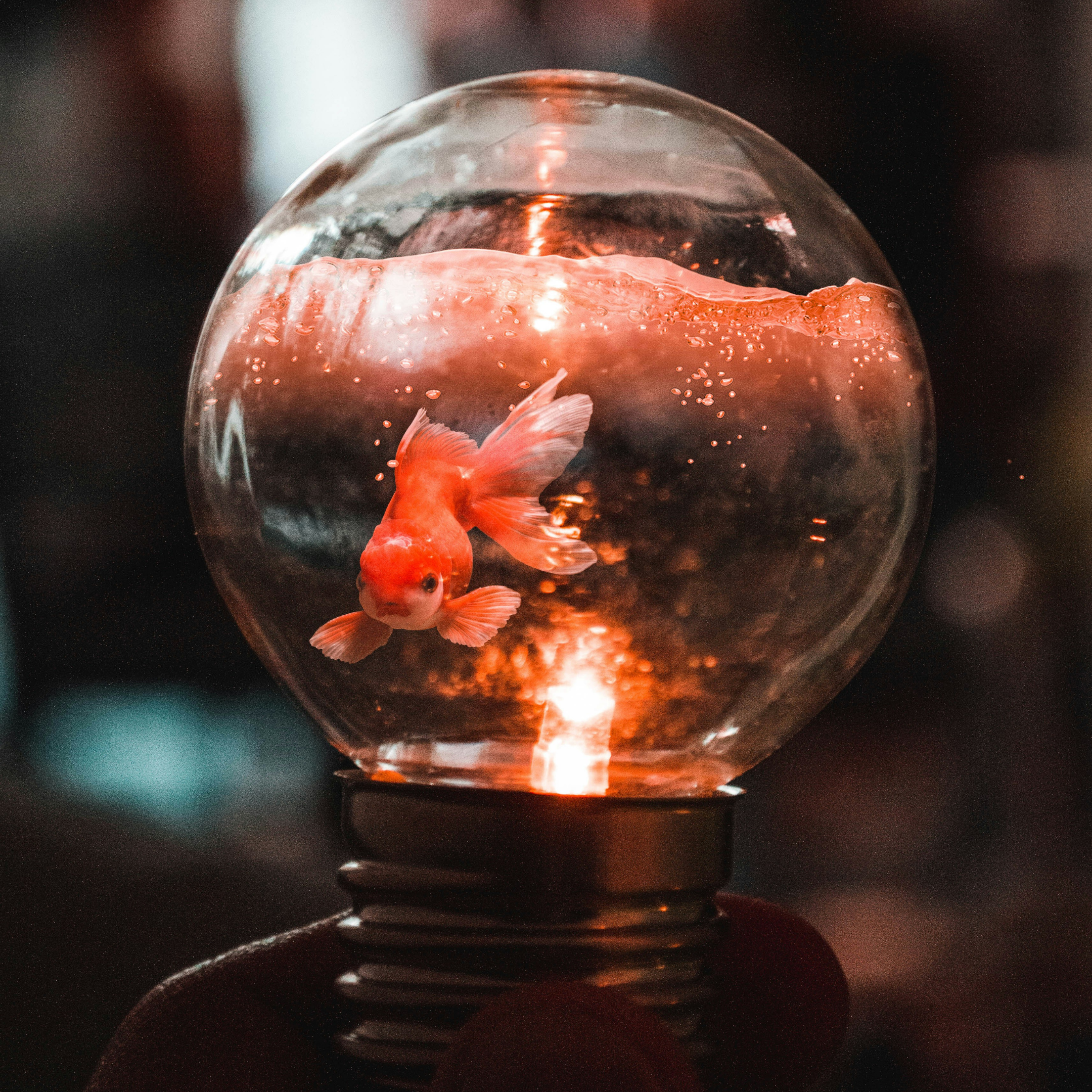
It was a quiet Sunday morning at home. I flicked on the TV, searched Kerrang! with the Sky remote and suddenly… There she was. A woman’s head submerged in a fish tank with tiny orange fish drifting around her. At only ten years old, I didn’t understand the meaning behind that song – and that was definitely for the best – but that image caught my attention. It was unique, unusual and strangely beautiful. That single shot changed my artistic instinct to pause, look closer, to wonder why a director chose that visual, that symbol, that moment. It was the beginning of a curiosity that would quietly shape the way I saw art for years to come. And still does now. I didn’t have the language for it then, but I’d started becoming fascinated by music that felt bigger than the song itself – where the visuals, storytelling and sound all seemed to belong to the same world. Years later, I’d realise that instinct was pulling me towards concept albums.
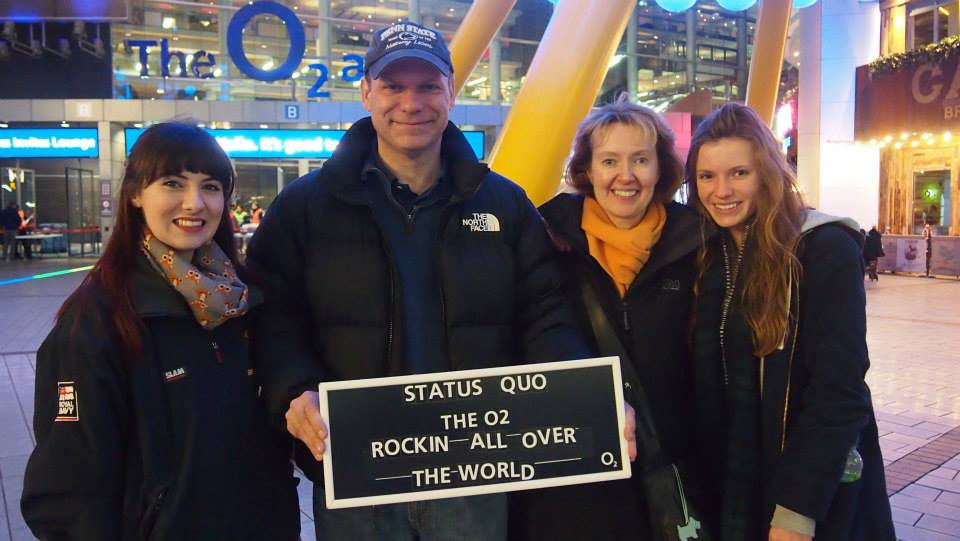
Me with my family at The O2 for Status Quo. Music has always been a big part of our lives and something we’ve shared together.
It wasn’t long before I found myself falling headfirst into Green Day’s American Idiot. It was the first rock album I remember experiencing as a complete world – one with characters, a storyline and political themes – rather than just a collection of nice songs. Or… so I thought! I began paying closer attention to the music my dad was playing in the car. Suddenly, I started to recognise the patterns between Queen’s songs. A Night at the Opera was more than the song “Bohemian Rhapsody”; it was an audio-visual, British-humour soundscape of a rendezvous at the theatre or the seaside. Iron Maiden relentlessly channelled political commentary through myth, battle scenes and epic tales of violent oppressors. “Run to the Hills” was written by Steve Harris with intent to draw attention towards the violence and brutality inflicted on Native Americans through colonialism. And then I discovered The Black Parade. My music taste had formed.
So, it was hardly a surprise when I approached my mum in HMV and handed her System of a Down’s Mezmerize. Grateful she didn’t check the title names in the track list, she bought the album for me. Mezmerize might not explicitly be a concept album, but it is part of a conceptual project alongside another album called Hypnotize. Eager to hear how they compared, I clicked download on Limewire – and I’m pretty sure in the process I infected my family computer with a tonne of pop-up ad viruses. I did go back to HMV to buy the second CD in the end, but not before I discovered their album Steal This Album!. I was thrown into a political world of media manipulation, satirical commentary and surrealism. The irony that I had illegally downloaded an album designed to criticise illegal downloads was certainly not lost on me.
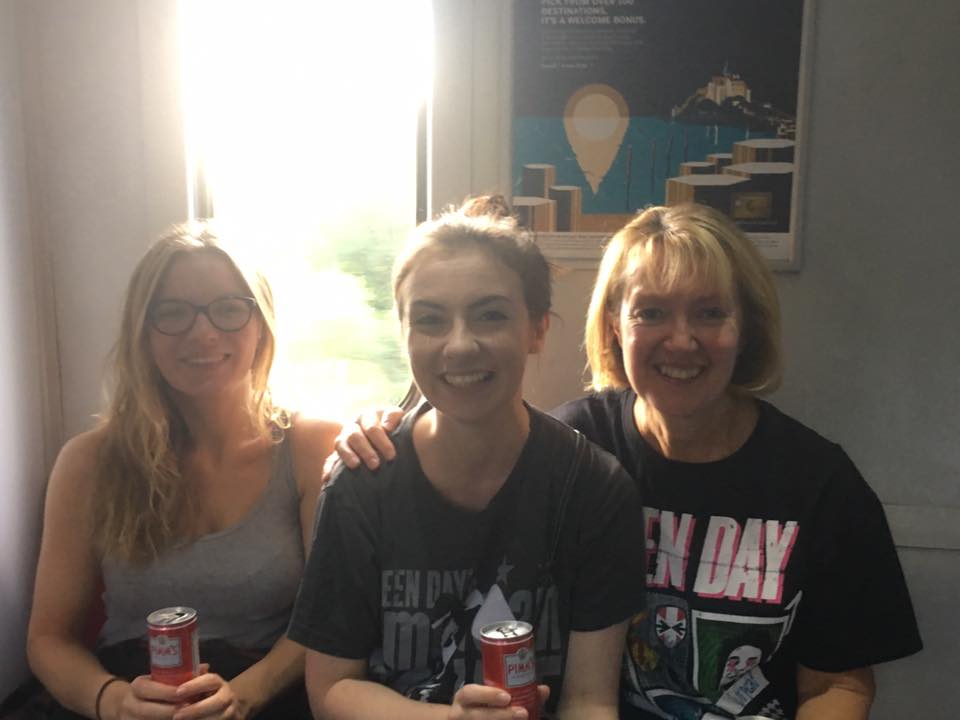
Me with my mum and sister on our way to see Green Day at Hyde Park back in 2017.
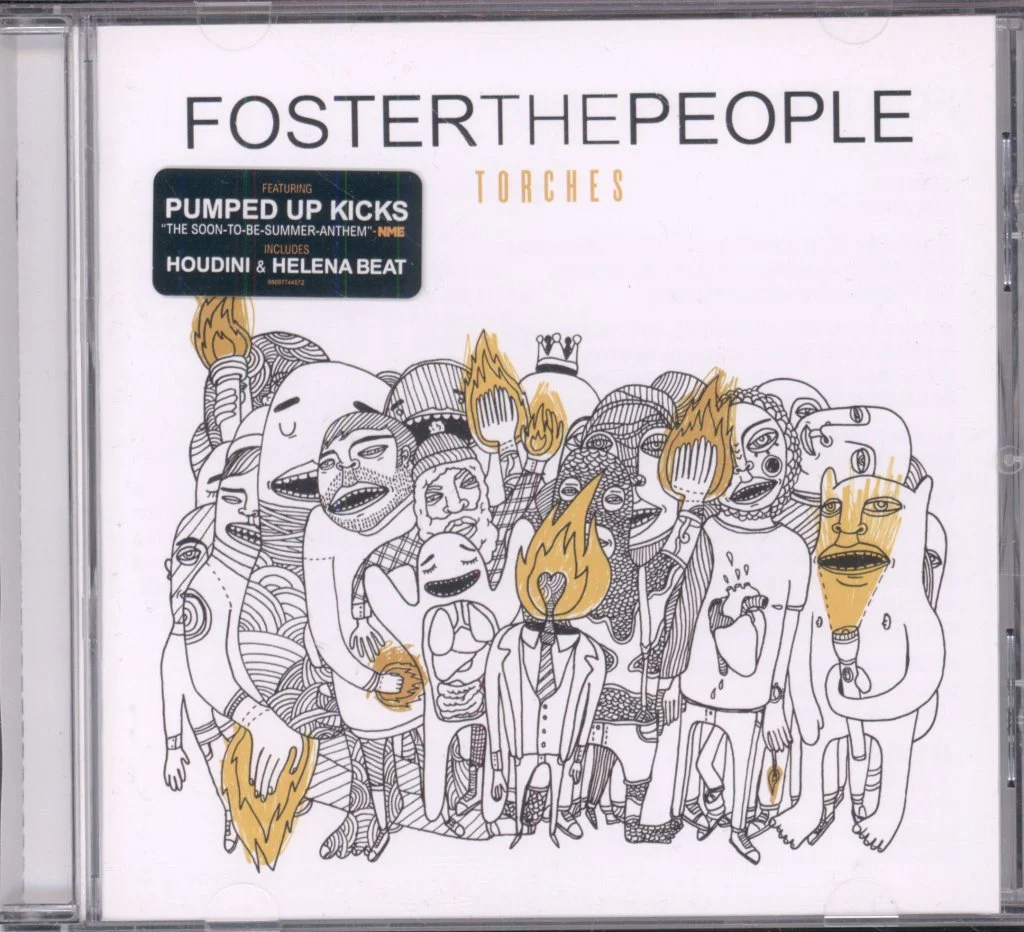
That was when the era of my CD collection began. Friday night pocket money and HMV’s 3‑for‑£10 deal – pure heaven for an undiagnosed neurodivergent kid. I picked out my albums by gut instinct, drawn to artwork that made me feel something. Torches by Foster the People was one of those impulse buys. It ended up shaping everything: Bombay Bicycle Club indie‑pop brightness, Passion Pit‑style synths, MGMT colour and Two Door Cinema Club level lyricism. It was the first album that I had heard about youth anxiety that didn’t lean into the angst of punk rock and alternative rock I’d been consuming. I still return to it. I even used tracks from Torches in mixes last year, including a mix intro that ended up catching promoters’ attention and opening the door to guest mix opportunities.
So what makes an album a “concept” album?
A concept album is where every track is part of a larger idea, story or emotional world. Think of it as a self-contained universe with recurring motifs, narrative arcs and thematic links between the production quality or sounds. It’s basically your English teacher’s musical dream. Some concept albums tell quite obvious stories. Pink Floyd’s The Wall is an exploration of the walls people put up as a response to trauma and isolation. Arcade Fire’s The Suburbs is about the slow, painful changes of a suburban area from childhood. Kendrick Lamar’s good kid, m.A.A.d city is a memoir of life growing up in Compton, exploring faith, violence and race. Beyoncé and Taylor Swift have written conceptual albums like Lemonade and Midnights.
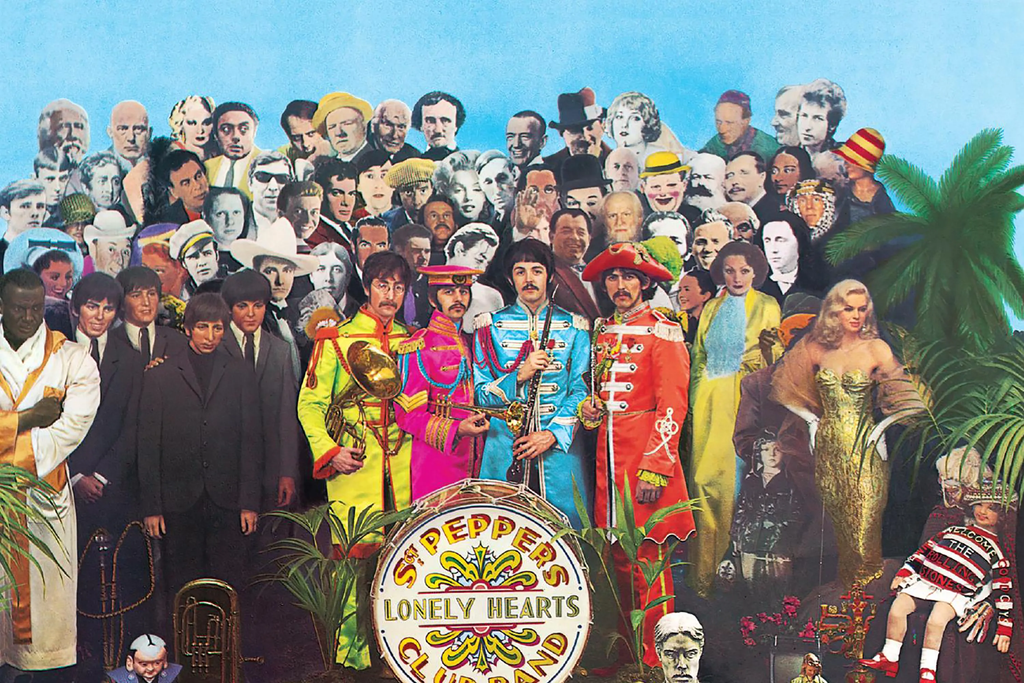
Some concept albums need a few listens to connect with the themes. The Beatles performed as a fake band with strange costumes for Sgt. Pepper’s Lonely Hearts Club Band as they explored the concept of identity. It was intentionally designed to be a psychedelic and humorous experience that they would only perform in that way for that specific album. And if you were a metalhead like me back in the day, you’ll definitely be familiar with the conceptually written songs “A Little Piece of Heaven” by Avenged Sevenfold and “Holy Wars… The Punishment Due” by Megadeth which both have multiple interpretations. All of these songs and albums have one thing in common: the audience being part of the artists’ fictional or narrated world.
Concept albums are having a dramatic resurgence – Lily Allen’s West End Girl being one of the most striking recent examples. Written and recorded in only ten days, the album narrates the collapse of her marriage. What makes this album more interesting is how Allen chose to perform it. She didn’t want to do it as a standard pop tour – but as a full theatrical production. On her 2026 tour, she appeared alone on stage, singing the album front‑to‑back with shifting sets and costume changes that turned each song into a new chapter or scene. The show invited her audience directly into the world of her breakup. A divorce sparked by a reaction to accepting a theatre role, later documented through an album performed as a theatrical production in its own right – genuinely can’t get more meta than that!
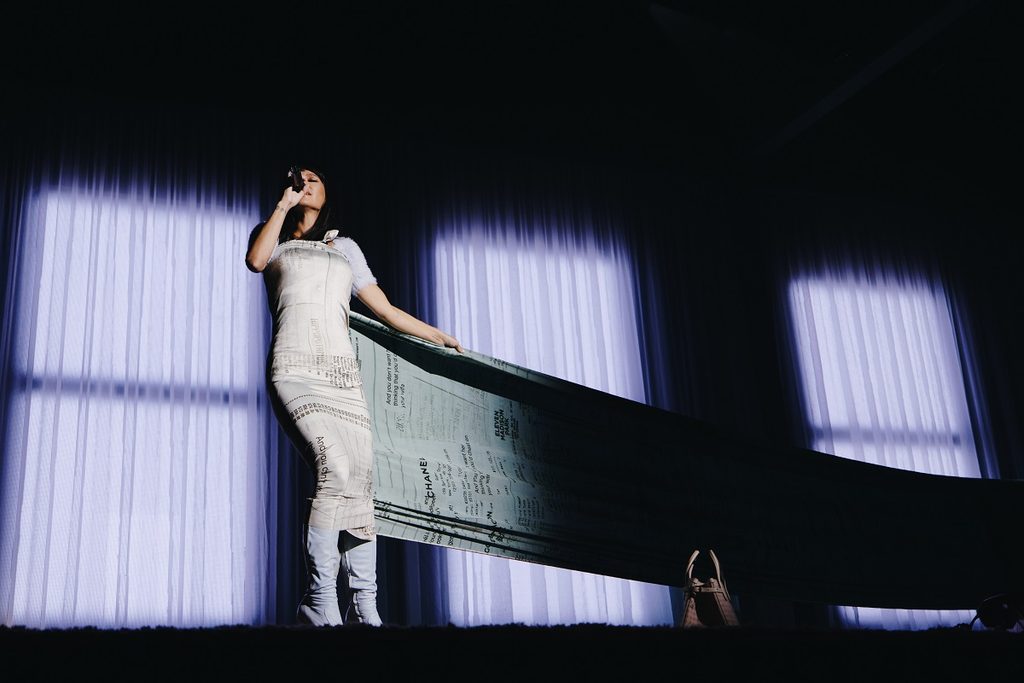
Lily Allen, West End Girl – Credit: Henry Redcliffe
Drum and bass has plenty of concept albums and conceptually thinking artists. Sub Focus’s newest release Contact has been described as “a modern conceptual DnB album”¹. Goldie’s album Timeless is frequently referred to as a culturally significant concept album. Noisia created dark worlds in albums like Outer Edges that pushed musical boundaries. Camo & Krooked shaped storytelling experiences in neurofunk to new experiential levels. Wormhole by Ed Rush and Optical is widely considered the first neurofunk album, let alone its first conceptually written one. Travel the Galaxy was their next big conceptual project, which solidified their narrative and thematic style in music production. Alix Perez curated 1985 with the intent to shape bass experiences and sounds that feel cinematic and deeply exploratory.
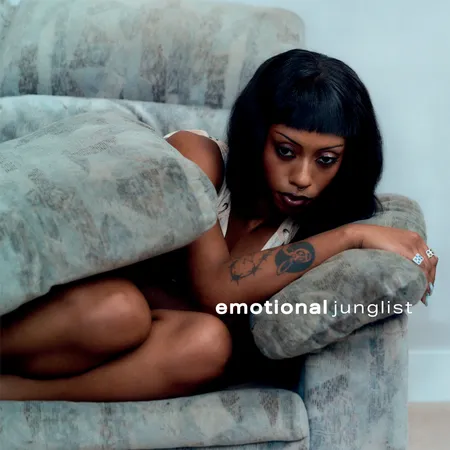
Now we women are taking the stage. Nia Archives is gracing us with the beautiful narrative linked behind the songs of her newest release Emotional Junglist. Piri’s solo debut Girl in Stem was written, produced, mixed and mastered entirely by her. Throughout the album, she shares the story of her breakup with Tommy, exploring a variety of themes ranging from grief to independence to public dissection of their relationship. We’re seeing even more female artists exploring more conceptual music releases – from tongue-in-cheek vocalists like venbee and Brodie to the unique sounds of female artists like Catching Cairo, Shirley Temper and Sweetpea and gyrofield. More prominent artists like Koven and Kyrist are properly getting their flowers for the conceptual projects they’ve been releasing for years. Becky Hill has also been releasing music that explores a different musical style to her usual sound. It’s an exciting time for the genre.
And when I look back, it makes perfect sense why this moment and resurgence has resonated so deeply with me. I’ve always been drawn to worlds, not just songs. From the political universes of Green Day and System of a Down, to the storytelling of Foster the People, my instinct has always been to search for meaning, narrative and unique voices. Concept albums didn’t just shape my music taste – they shaped the way that I understand art. They shaped my DJing process and how I curate storytelling mixes. They shaped me.
It feels like the tide is turning back towards the kind of music I’ve always gravitated towards: albums designed with intent, stories with messages and weight, accompanied by visuals with purpose. Concept albums aren’t just making a comeback. They’re reminding us that music really can still be a journey. And for me – that whole journey started with a woman wearing a fish tank.
For more from Zaba, follow @DJZabaTheFrog
Footnotes:
¹: The Return of the Album: Long-Form Storytelling in Drum & Bass | Drum and Bass UK