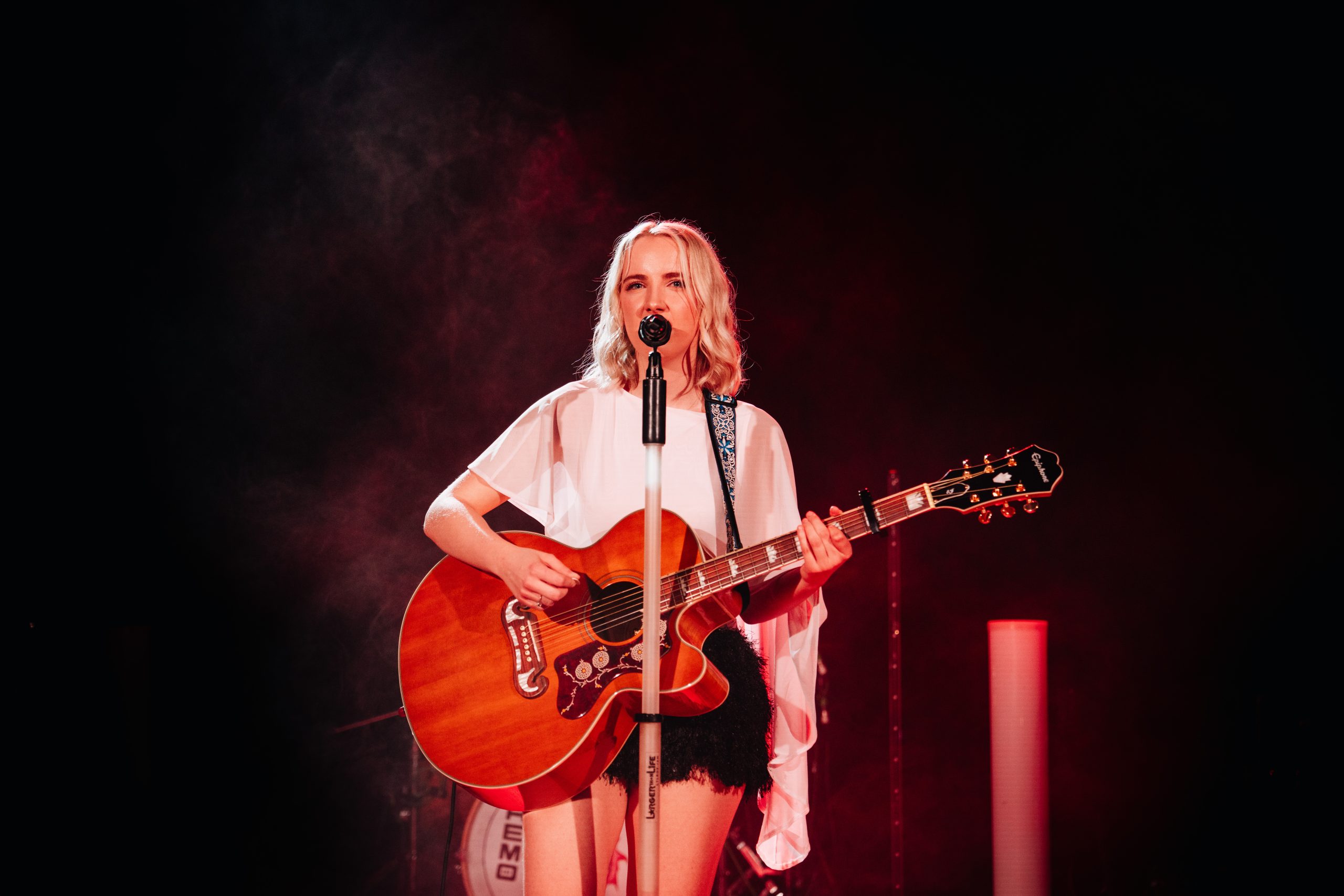
There’s something quietly comforting about artists who don’t try to force certainty before they’re ready. Beth Eliza feels like one of those people. Her music carries the kind of honesty that can’t really be manufactured – thoughtful, emotional songs that feel lived-in rather than polished for the sake of it. Even through email, there’s a warmth to the way she talks about music, creativity and growing up that immediately makes sense when you listen to her work. Nothing about it feels rushed. It feels reflective. Human.
Originally from Suffolk and now based in Northamptonshire, Beth’s story begins in the kind of village setting that seems almost designed for storytelling. She describes growing up in the countryside as “really special”, surrounded by community and support in a tiny village where everyone knew one another. That sense of closeness seems to run through her music now too – songs built around emotion, memory and connection rather than spectacle.
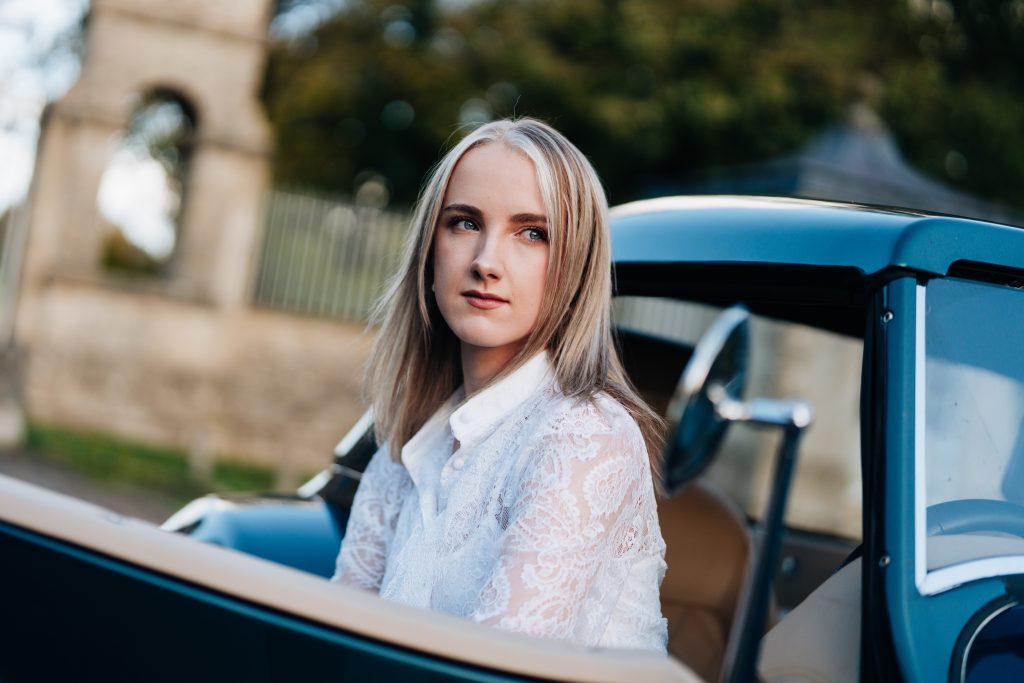
Performance found her early. At just five years old, she was begging to join the local amateur dramatics group, already drawn towards music and storytelling before fully understanding why. Around the same time, her parents bought her a small electric keyboard, which quickly became a fixture in her world. “Apparently I spent most of my time badly singing Twinkle Twinkle Little Star,” she laughs. From there, music quietly became the thread connecting everything else together.
It’s clear how much that early encouragement mattered. Singing lessons, piano lessons, local theatre productions – all of it helped shape not only her confidence as a performer, but the emotional openness that sits at the centre of her songwriting now. Over time, writing songs stopped being a hobby and became something far more personal.
That shift really happened when she moved away for university. After growing up in a sheltered village environment, suddenly navigating city life, relationships, friendships and lockdown within such a short period of time felt overwhelming. Like many people in their late teens and early twenties, she found herself trying to work out who she was while everything around her kept changing.
Music became the place where all of that could go.
“It was my escape, but also a way of processing emotions and making sense of experiences I didn’t always know how to talk about,” she explains. There’s something deeply relatable in that. The idea that songwriting can sometimes say the things we struggle to voice in everyday life.
Beth speaks openly about being drawn to artists who tell difficult truths through music – songs that sit honestly inside uncertainty, heartbreak or growing pains rather than trying to tidy them away. That influence feels present throughout her own writing too. There’s emotion there, but it never feels overworked. Just genuine.
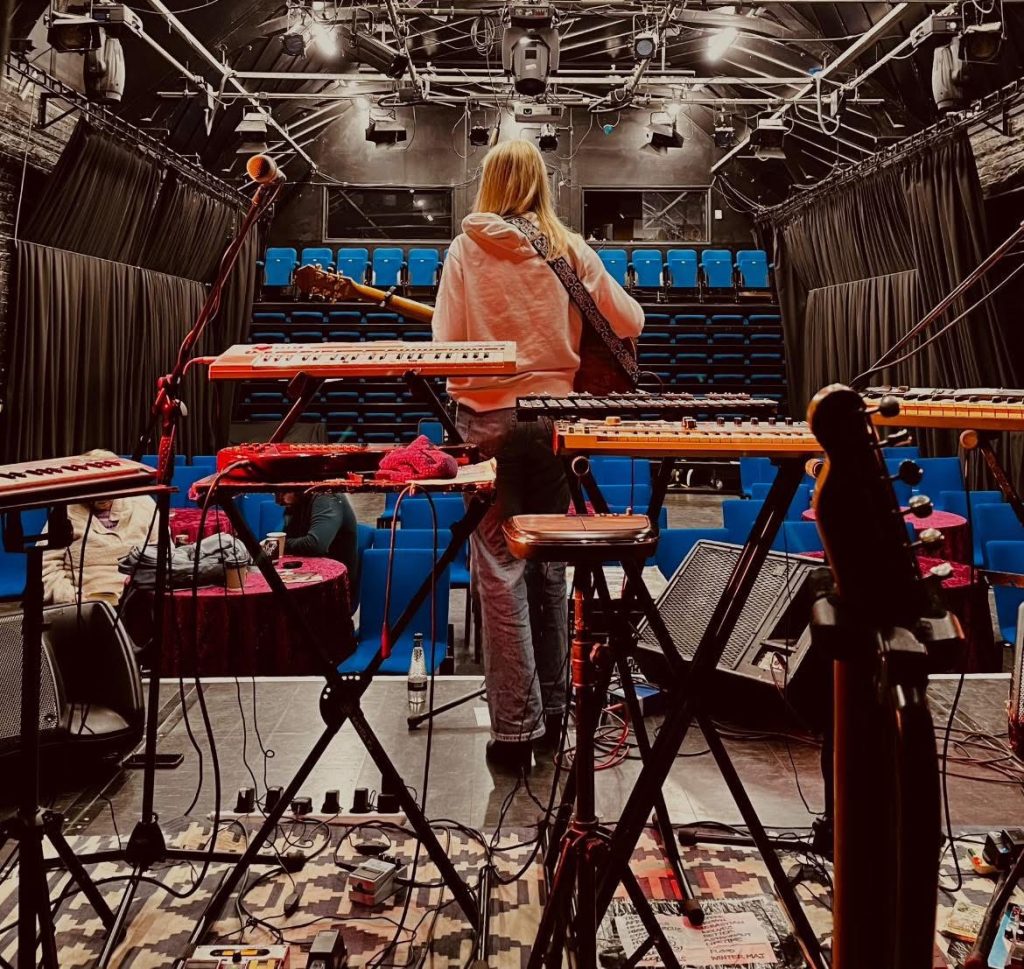
Both piano and guitar play huge roles in shaping that process, though in very different ways. Piano, her first instrument, naturally leads her towards more atmospheric and emotional songwriting. Guitar, on the other hand, feels more instinctive and experimental. “I call myself a fake guitarist,” she jokes, explaining how she largely taught herself through YouTube tutorials, playing by ear and experimenting with alternate tunings.
That self-taught approach seems important to her sound. There’s a looseness and unpredictability to it that allows different moods to emerge naturally depending on the instrument she’s writing with. Sometimes guitar brings out something more upbeat and playful. Other times, it creates her most intimate songs. Either way, the storytelling always remains central.
She describes her sound as “honest, cinematic folk-pop with touches of Americana and country”, shaped by artists like Kacey Musgraves, Fleetwood Mac, George Ezra and Ed Sheeran. Growing up in Suffolk, Ed Sheeran’s rise understandably felt significant. “He was honestly one of the reasons I picked up a guitar in the first place,” she says.
But what connects all of those influences is their ability to tell stories without losing warmth. Music that feels personal without becoming inaccessible. That balance is something Beth seems to naturally understand.
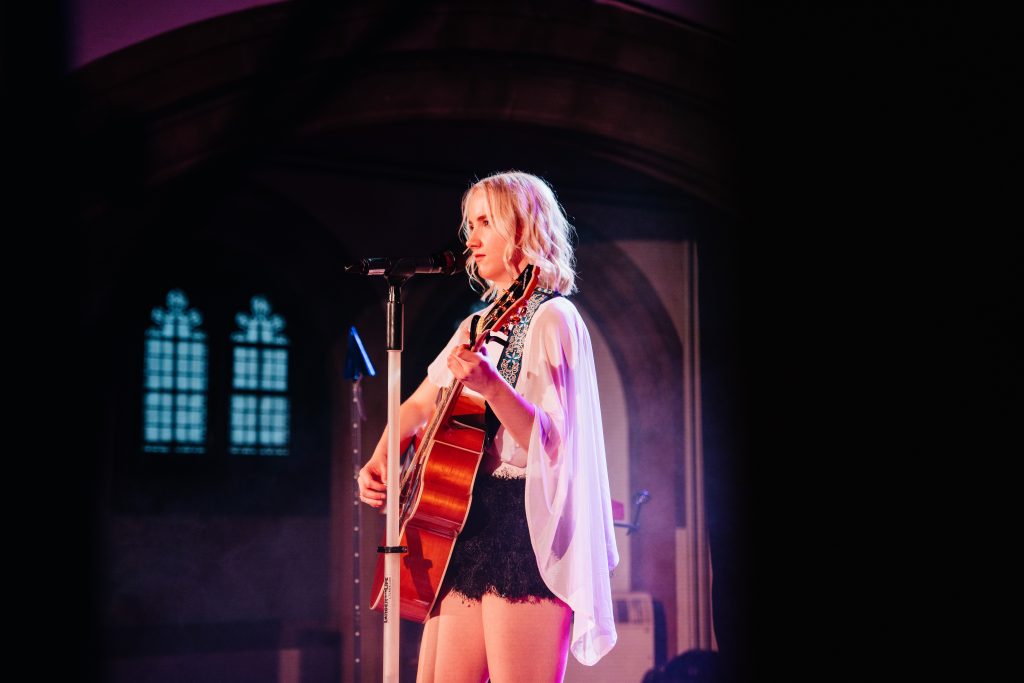
Recently, that understanding has been tested and strengthened through life on the road. She’s just come off a UK tour supporting The Blackheart Orchestra – an experience she describes as both eye-opening and transformative. Touring gave her the chance to perform to new audiences night after night, helping her grow in confidence and develop her connection with people in the room.
At the same time, it also exposed the realities of being a grassroots musician in 2026.
“There’s a huge amount of sacrifice, hard work and financial pressure involved,” she says honestly. Two months spent living out of a suitcase and driving across the country isn’t exactly glamorous, but the way she speaks about it makes it feel worthwhile nonetheless. Particularly because of the people around her. The Blackheart Orchestra, she says, were “some of the kindest and most supportive people” she could have toured with.
That sense of support and community clearly matters to Beth, and it’s part of why playing grassroots festivals still feels so important to her. This year she’ll be appearing at Music Barn Festival on the Barn Stage – something she speaks about with genuine excitement. Festivals like Music Barn, she says, are essential spaces for emerging artists, particularly at a time when so many independent venues and grassroots events are struggling to survive.
“They give people the chance to discover new music in a really personal and authentic way,” she explains. There’s a mutual care in those spaces that larger events can sometimes lose. It’s about community as much as performance. Discovery as much as scale.
That same spirit seems to run through everything Beth is building now, particularly as she works towards releasing her debut album. The project feels deeply tied to where she currently finds herself creatively and personally – exploring themes of identity, change, relationships and uncertainty.
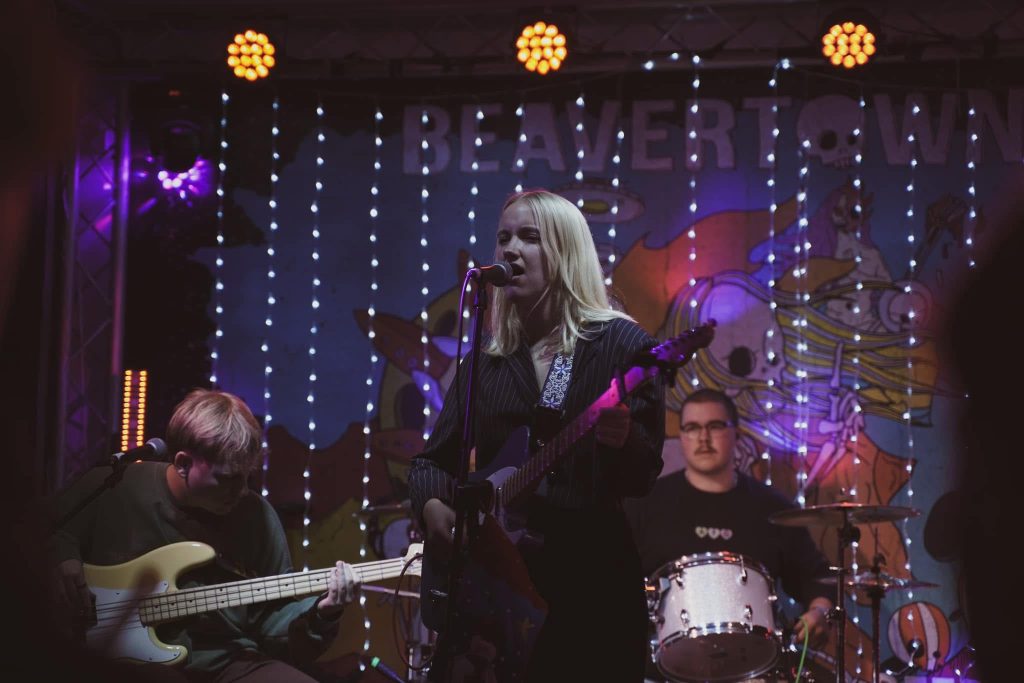
More than anything though, it reflects an artist trying to let herself evolve naturally rather than forcing herself into a box.
“Finding my identity as an artist is something I’ve honestly struggled with recently,” she admits. “Especially feeling pressure to fit into a certain genre or brand.” It’s something many young artists quietly carry now, particularly in an era where social media often creates the illusion that everyone else has already figured themselves out.
Beth’s perspective on that feels refreshing because it’s so grounded. She recently turned 23 and openly speaks about moments of panic, questioning why she doesn’t have everything mapped out yet. But instead of pretending certainty, she’s learning to trust that growth happens through experience. Through writing, performing, experimenting and simply living life.
That philosophy extends naturally into the advice she gives other young singer-songwriters too. Don’t pressure yourself to have everything figured out immediately. Stay curious. Keep creating. Don’t chase trends or somebody else’s version of success. Let your sound develop naturally over time.
There’s something reassuring about hearing that from an artist who is still very much in the middle of her own journey. Beth Eliza doesn’t present herself as someone who has all the answers. Instead, she feels like someone learning in real time – and writing beautiful songs through the process.
And honestly, that’s probably what makes the music connect so well in the first place.
Listen and follow Beth Eliza:
https://www.bethelizamusic.co.uk/